
The Evolution of Continuous Processing in Pharmaceutical Development and Manufacturing

Written By: Damon Anderson, PhD
Dec 03, 2025
Ongoing advancements in technologies including hot-melt extrusion and twin-screw granulation will further accelerate the transition to continuous processing as the new standard in pharmaceutical development.
Improved Process Efficiency and Throughput: Continuous manufacturing enables tighter control over reaction conditions, residence times, and material flow. The result is faster production with fewer bottlenecks and a more predictable timeline from development to commercial scale.
Enhanced Product Quality and Consistency: Because continuous systems operate in a stable, controlled state, they reduce variability that often arises between batches. Real-time monitoring and automatic feedback loops support in-process control of critical quality attributes (CQAs). Manufacturers gain the ability to detect and correct deviations immediately, improving yield, purity, and reproducibility across the production lifecycle.
- Smaller Footprint and Lower Resource Use: Continuous equipment trains are typically more compact than batch-based setups, reducing the physical footprint of development and manufacturing suites. They also consume less solvent, energy, and consumables due to streamlined operations and minimized hold times.
- Simplified Scale-Up: Traditional scale-up often requires extensive pilot studies and re-engineering. In contrast, continuous processes rely on scalable flow parameters. Labs can move from benchtop to clinical or commercial production by extending run time rather than increasing reactor volume.
- Stronger Regulatory Alignment: Regulators including the FDA and EMA increasingly support continuous manufacturing because it improves quality assurance and traceability. Built-in process analytical technology (PAT) allows for real-time release testing, audit-ready data capture, and a more robust understanding of process dynamics.
Greater Flexibility for Modern Pharma Pipelines: As pipelines lean toward complex biologics, personalized medicines, and accelerated development pathways, continuous systems offer adaptability that batch operations struggle to match.
Hot Melt Extrusion (HME) and Twin-Screw Granulation (TSG): Complementary Techniques Driving Higher Efficiency and Productivity in Pharmaceutical Development
Two of the most impactful innovations driving the pharma continuous processing evolution are hot-melt extrusion (HME) and twin-screw granulation (TSG). Both methods use twin-screw technology to mix, melt, or granulate materials in a controlled, continuous process. HME helps make poorly soluble drugs more bioavailable by creating stable, well-dispersed formulations. TSG focuses on forming flowable, compressible granules that ensure smooth tablet and capsule manufacturing.
These complementary techniques function synergistically to streamline development, improve drug performance, and simplify the path from early formulation to commercial scale.
Summary
The pharmaceutical industry is increasingly adopting continuous manufacturing to meet the growing demand for high-quality medications. Ongoing advancements in technologies including hot-melt extrusion and twin-screw granulation will further accelerate this transition, positioning continuous processing as the new standard in pharmaceutical development.
Download the eBook to learn more about the details of HME and TSG as transformative tools driving the evolution of continuous processing.

Jan 09, 2026
Product News
BRANDTECH Scientific Introduces the Transferpette® pro Micropipette: A New Twist on Comfort and Control
The latest addition to its trusted line of precision liquid handling instruments, engineered for comfort, control, and repeatable accuracy.

Jan 06, 2026
Featured, Technical Insight
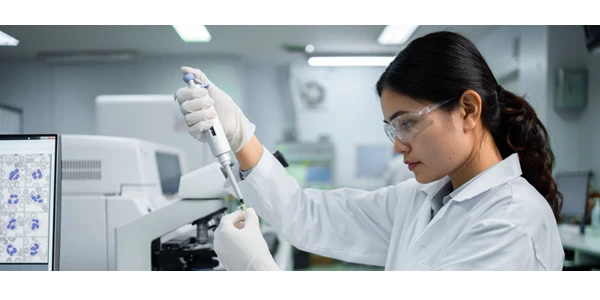
New Research Frontiers Unlocked by Next-Generation Flow Cytometry
Next-generation flow cytometry systems using acoustic focusing are opening entirely new areas of research that were previously impractical or inaccessible with conventional flow cytometers.
Jan 05, 2026
Buying Guides
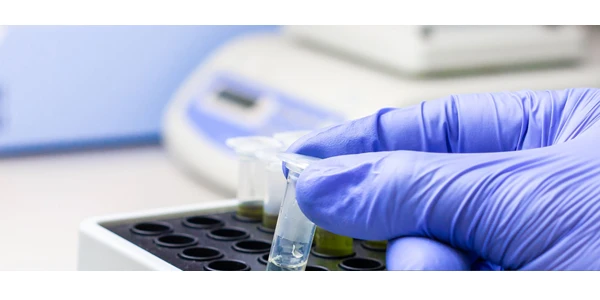
The Bottom Line: How Smart Microcentrifuge Tube Choices Impact Lab Efficiency and Cost
Innovative microcentrifuge tube solutions are more than just lab consumables—they’re strategic tools that can reduce costs, improve outcomes, and support long-term sustainability goals.
Jan 05, 2026
Buying Guides
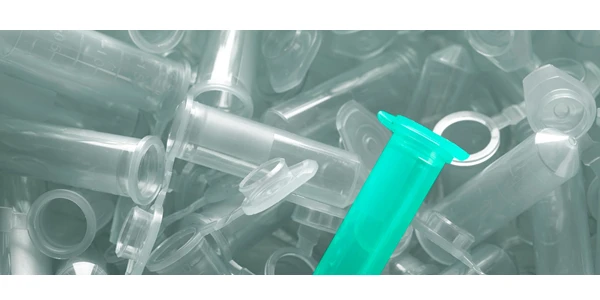
Future-Proofing Your Lab with Innovative Microcentrifuge Tube Solutions
As laboratories evolve to meet the growing demands of modern science, even the most basic tools—like microcentrifuge tubes—are being reimagined.
Jan 05, 2026
Buying Guides
Microcentrifuge Tube Innovations: Driving Sustainable Change
Integrating next-generation consumables into standard workflows can lead to a more sustainable and responsible research environment.

Jan 05, 2026
Buying Guides
Single Use Plastics: How to Manage these Major Contributors to Lab Waste
Reducing lab waste isn’t just a sustainability issue—it’s a financial and operational one, too.
Jan 05, 2026
Buying Guides
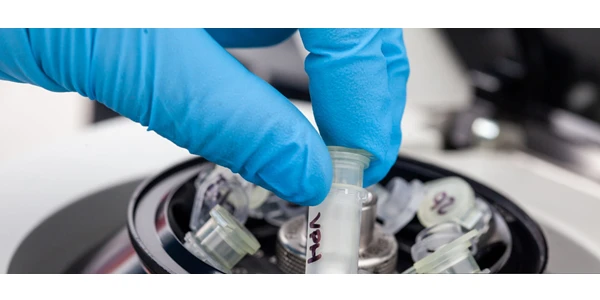
Common Microcentrifuge Tube Challenges in Sensitive Molecular Workflows
Key factors that can impact the performance of microcentrifuge tubes for PCR, qPCR, and NGS and other sensitive applications
Jan 05, 2026
Buying Guides
How to Research the Right Microcentrifuge Tubes for Your Application
Selecting the right microcentrifuge tubes starts with understanding the specific demands of your application.
Jan 05, 2026
Technical Insight
The Best Confocal Microscopes of 2026
Discover the best confocal microscopes of 2026 for advanced imaging. Compare top models from Zeiss, Evident, and Nikon for speed, resolution, and budget.

Dec 24, 2025
Featured, Popular Products, Technical Insight
Emerging Mass Spectrometry Technologies to Improve Intraoperative Diagnostics
Advances in mass spectrometry may soon reshape surgery, improving diagnostic accuracy and impacting post-operative outcomes